Brain Injury & Invisible Cognitive Symptoms
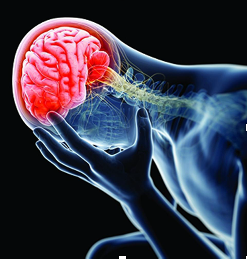
The Invisible Brain Injury
So often a person who suffers a traumatic brain injury seems normal. She speaks fluently and easily passes the brief evaluation of her cognitive abilities. The CT or MRI scan is normal. Her injury is invisible. Jan Stubberud Ph.D. published a July 2, 2026 article in the New England Journal of Medicine titled "The Invisible Load of Cognitive Symptoms." Dr. Stuberrud explains that below the surface, this patient is not so well off. Perhaps the most disabling thing is the constant invisible effort required to function. She runs an internal checklist all day. She writes "mental sticky notes" repeatedly. She remains silent during meetings to avoid her inability to track rapid shifts in content. Ordinary social interactions leave her exhausted. Her child may ask her a simple question and she cannot hold the answer in her mind long enough to respond. Dr. Stubberud describes this phenomenon as the "Invisible Load of Cognitive Symptoms." She cautions her fellow clinicians to better handle these cases by making these adjustments in their practice. 1) They should explain to their patient that the symptoms are real even if they cannot yet explain them. 2) They should evaluate other factors that may be contributing to their patient's problems such as sleep quality, mood symptoms, pain, medications, and various metabolic factors. 3) Clinicians can suggest compensatory strategies. 4) They can refer the patient to specialists for more comprehensive workup to identify strength and weaknesses.